Cart
0
You may also like


Silk tulle is a bridal netting loomed from pure silk thread into a fine hexagonal mesh, weighing around 10 to 15 grams per square metre, which makes it far lighter than the standard polyester tulle used in most veils. It drapes like liquid, settles close to the body, and carries a soft matte finish that reads as quiet luxury in person and in photographs. Couture houses have worked in silk tulle for generations, and it remains the reference fabric for the softest veils made today. This guide explains what silk tulle is, why it costs more than standard tulle, how it compares with soft polyester tulle in honest terms, which veil lengths suit it best, and how to care for it before and after the wedding.
Silk tulle is a bobbinet netting woven from natural silk threads into a fine hexagonal mesh. The hexagon is the signature of true bobbinet: the threads twist around one another to form six sided cells that stay open and airy yet hold their structure, unlike the square grid of ordinary craft netting. At around 10 to 15 grams per square metre, the fabric has a delicate, barely there hand and a soft matte sheen rather than a shiny surface. Because the fibre is natural, silk tulle settles close to the body and falls in soft, fluid folds instead of standing away from the dress. It is the fabric couture veils have been made from for generations, and every soft tulle on the market today is judged against it.

Silk tulle is a genuine, natural fabric, not a marketing name. The confusion is fair, because many veils are sold as "silk effect" or "silk touch" tulle, which are soft polyester nets engineered to imitate the drape of the real thing. True silk tulle is woven from reeled silk thread and behaves in a way no synthetic fully copies. So when brides ask which tulle is best for a veil, the honest answer is that silk tulle is the finest option for softness and drape, while a good soft polyester is the best choice for durability and budget. Knowing the difference lets you shop by fabric and style rather than by name alone. For a wider look at the fabrics brides weigh against each other, see our guide to silk organza vs cotton organza and to what actually makes a veil luxury.
Silk tulle is woven on bobbinet looms that twist each thread around its neighbours, and it costs more than standard tulle for three connected reasons: the raw silk thread, the slow looms, and the small number of mills still weaving it. Silk is a natural fibre reeled from cocoons, and the thread costs more than extruded polyester filament before a single metre of net exists. The bobbinet weave then compounds that cost, because the looms build the hexagonal mesh slowly compared with the machines that produce ordinary tulle. Few mills still run these looms, so silk tulle is woven in limited quantities rather than mass produced, and ateliers order it in small runs. The result is a fabric that behaves like no other veil material, priced accordingly. For a fuller picture of what drives veil pricing, from fabric to length to embellishment, read our guide to how much a wedding veil costs.
The finest silk tulle is woven in a handful of European mills, with Italian and French bobbinet looms holding the reputation for the softest, most even mesh. These mills weave in small runs, so ateliers order the fabric in limited lengths and cut every veil to measure. Because silk tulle is hard to picture from a screen, we send fabric samples on request, so you can feel the weight and matte finish against a swatch of standard tulle before you commit. Ask through our website or the atelier, and we include the silk option alongside the soft polyester so the choice is made with both fabrics in hand.
Silk tulle photographs differently because its matte surface diffuses light instead of bouncing it back. Polyester tulle carries a slight sheen that turns to shine under flash and hard sunlight; silk stays soft and luminous in the same conditions, so the veil reads as a wash of light around the face rather than a bright layer in front of it. Weight does the rest of the work. At around 10 to 15 grams per square metre, the fabric registers every movement of air: it lifts on a breath of wind, trails through a walk, and settles slowly when the bride stops moving. Photographers prize that behaviour because it produces motion in still images, folds that look drawn rather than pressed, and a train that floats rather than drags. On film the difference is even clearer, since silk keeps moving gently long after a heavier tulle has gone still.

Soft polyester tulle is the closest substitute for silk, and for many brides it is the sensible choice. The honest differences come down to four things:
Neither fabric is the wrong choice. Silk is for the bride who wants the material itself to be the detail; soft polyester is for the bride who wants the soft look with more resilience and a friendlier budget. Our wedding veil materials guide compares every veil fabric side by side.

Kate Middleton's 2011 wedding veil was made of ivory silk tulle, hand-embroidered with flowers by the Royal School of Needlework and held with a borrowed tiara. It is the veil many brides picture when they imagine a silk veil: a single soft layer that framed the face without a hard sheen and photographed as a wash of light rather than a bright panel. The veil showed exactly why couture houses reach for silk tulle on their most important commissions, and it kept the fabric in the bridal conversation for a generation of brides who wanted the same fluid, matte drape and understated style.
Silk tulle suits long veils best, because its low weight lets length float instead of drag. A fingertip veil at 40 to 45 inches (102 to 114 centimetres) in silk moves with every step. A chapel veil at 90 to 96 inches (230 to 244 centimetres) and a cathedral veil at 108 to 120 inches (275 to 305 centimetres) are where the fabric earns its reputation: metres of tulle that weigh almost nothing, follow the bride down the aisle, and settle into soft pools for portraits. Even a royal cathedral veil, beyond 120 inches (305 centimetres and more), stays manageable in silk because the comb carries so little weight. Shorter lengths work too: a shoulder veil at 19 to 22 inches (50 to 56 centimetres) or an elbow veil at 24 to 32 inches (61 to 81 centimetres) in silk sits like a breath of fabric around the face. Every length is measured and compared in our wedding veil sizing guide.
Yes. A silk tulle veil takes a blusher as easily as any other, and the light weight of the fabric makes a two tier silk veil especially soft over the face. Our SIERRA two tier silk veil is built this way, with a blusher tier that folds forward for the processional and lifts back at the altar for the same reveal a heavier veil gives, but with less bulk at the comb. On a made to order silk veil we cut the blusher to shoulder, elbow, or waist length to suit your gown, so the front layer clears the bouquet and frames the face cleanly.
A silk tulle veil suits brides in three situations more than any others:
Brides who plan to dance in their veil, marry on a windy coastline, or travel with hand luggage only are often happier in a fine soft polyester, which forgives the handling that silk resents.
Caring for a silk tulle veil comes down to three habits: loose storage, steam instead of an iron, and distance from cosmetics.
Silk creases in transit more readily than polyester, and it also recovers faster: gentle steaming brings back the soft drape completely. We steam every veil before it leaves the atelier so it arrives ready to hang, and the same routine keeps an heirloom veil fresh between generations.

Every Tara Bridal veil is made to order, and silk tulle sits at the top of our fabric range. The SIERRA two tier silk wedding veil is our direct expression of the fabric: a clean, classic two tier design with no embroidery at all, because the drape of pure silk bobbinet is the design. It is cut in the length you choose, with a blusher tier that folds softly over the face for the ceremony. For brides who love the soft look with embroidered detail, the LINDA chapel floral lace veil carries lace flowers along a chapel length of fine soft tulle, and the ROSIE drop chapel organza floral veil scatters embroidered roses across a drop veil silhouette. Both show how much embellishment fine soft tulle carries, and our lace wedding veil guide explains the techniques behind them. The full premium range, silk and embroidered alike, lives in our luxury wedding veils collection, and most designs are made in silk tulle on request, in the length, colour, and finish you choose.

Silk tulle is softer, finer, and more fluid than polyester or nylon tulle, with a refined matte finish. Regular tulle is more durable and more affordable, and it holds a crisper shape. The right choice depends on the look, the budget, and the handling your wedding day asks of the fabric.
Silk tulle is woven entirely from natural silk thread on bobbinet looms, which twist the threads into a fine hexagonal mesh. The finished fabric weighs around 10 to 15 grams per square metre, far less than standard polyester tulle.
Silk thread costs more than polyester filament, bobbinet looms weave the hexagonal mesh slowly, and only a small number of mills still produce the fabric. Limited supply and slow production keep silk tulle a premium, made to order material.
Silk tulle softens and creases in transit more readily than polyester, and it recovers just as readily. Gentle steaming relaxes the creases completely, and we steam every veil before it leaves the atelier.
Yes. Silk tulle is sheer and delicate, which is part of its appeal. A single tier gives a soft, semi sheer line over the gown, while a two tier veil adds a little more coverage along with a blusher for the ceremony.
Long lengths show the fabric at its best. Chapel veils at 90 to 96 inches and cathedral veils at 108 to 120 inches float in silk where heavier fabrics drag, and shorter lengths from shoulder to fingertip feel almost weightless.
Yes. Most Tara Bridal designs are made in silk tulle on request, in the length and finish you choose. Send us your gown details and we prepare a quote for the silk version.
Yes. Silk tulle is a genuine natural fabric woven from reeled silk thread on bobbinet looms. Many veils sold as "silk effect" or "silk touch" tulle are soft polyester made to imitate it, but true silk tulle is a real, if rare, material.
Silk tulle is the finest for softness and drape, while a good soft polyester tulle is best for durability and budget. The right tulle depends on the look you want, how the veil will be handled, and what you want to spend.
Kate Middleton's 2011 wedding veil was ivory silk tulle, hand-embroidered with flowers by the Royal School of Needlework. It is the veil many brides picture when they imagine a silk tulle veil.
Yes. A silk tulle veil takes a blusher easily, and the light fabric makes a two tier silk veil especially soft over the face. Our SIERRA two tier silk veil is cut this way, with a blusher tier that lifts back at the altar.
Minimalist crepe, satin, and mikado gowns suit silk tulle best, because the veil becomes the one soft element and the quality of the fabric shows. It also flatters clean lined and heirloom intended gowns where drape matters more than embellishment.
Silk tulle is the veil fabric for brides who care about the material itself: the weightless hand, the liquid drape, the matte glow that no synthetic fully reproduces. It asks for gentler handling and a larger budget, and it repays both every time it moves. If your gown is simple, your photographs matter, or your veil is meant to outlast the day as an heirloom, silk tulle is the finest fabric to make it from.
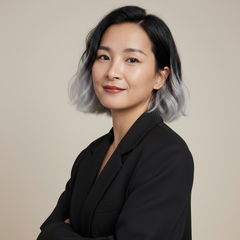
Hoa is the founder and owner of Tara Bridal, bringing over seven years of experience in designing bespoke wedding veils for more than 3,000 brides worldwide. Passionate about helping brides shine with a unique style, she brings fresh ideas into each accessory, breaking traditional molds. Hoa understands the fatigue and time-consuming search that brides face when looking for wedding veils online, which is why she strives to create a seamless and enjoyable shopping experience. She creates stunning veils that beautifully reflect each bride's individuality by blending global fashion trends with exquisite hand embroidery from skilled Vietnamese artisans.


