Cart
0
You may also like


The choice of a wedding veil is one of the most significant decisions a bride makes during the design of her bridal look. It is the final layer that defines the mood of her entrance. While much of the focus in bridal fashion remains on color or length, the most critical factor is often the physical nature of the fabric. Every textile has a different personality. At Tara Bridal, we have spent years studying how these materials behave in real world settings. Our artisans in Vietnam, each possessing 15 years of experience, understand that the choice between crisp structure and soft drape is a choice between two very different visual styles.
Over the past five years, we have served over 3,000 brides from 1,553 cities across 39 countries. This global perspective has taught us that every venue and every gown requires a specific material response. Whether you are walking through a windy garden or down a still cathedral aisle, the weight and stiffness of your veil will determine how you look in person and in your photographs.
To make an informed choice, a bride must first understand the technical construction of her veil. Most bridal veils are made from either knitted mesh or woven fabric. Tulle is a knitted material with a hexagonal mesh. It is naturally flexible and soft, which allows it to hang close to the body. Organza, however, is a plain weave fabric. Because it is woven, the fibers are tightly interlaced in a grid pattern. This gives organza its signature crispness and firm handle.


KAITIE | Fingertip organza embroidery wedding veil
This firm nature is what bridal experts call body. A fabric with body does not collapse. It holds the shape that the artisan gives it. When you hold a piece of organza, it feels light yet structured. It possesses a subtle sheen that reflects light across its surface, creating a clean and bright appearance. Tulle, being a mesh, allows light to pass through it, creating a misty effect. These two fabrics interact with light and gravity in completely different ways.
Organza is the superior choice for the bride who wants an architectural or high fashion look. Because the fabric is stiff, it can hold shapes that are impossible for soft mesh to maintain. If your vision involves sharp edges, wide ruffles, or geometric lines, organza is the necessary material.
One of the most powerful uses of organza is for supporting 3D elements. At Tara Bridal, we specialize in creating floral motifs that appear to bloom directly from the veil. These flowers require the structural strength of organza to stay upright. Soft drape fabrics like tulle cannot support the weight of layered petals; the flowers would simply wilt and look flat. Organza petals stand tall and maintain their volume throughout the entire day. This structure also helps to define the silhouette of the bride. If you are wearing a very sleek mermaid dress or a full ballgown, a structured organza veil provides a clear frame that balances the proportions of your outfit.
There are times when a soft drape is the preferred aesthetic. Tulle is the right choice for brides who want a classic, romantic haze. If you want your veil to look like a soft cloud that follows you closely, a soft mesh is the way to achieve that look.
Soft fabrics are often chosen for weddings with a very relaxed or bohemian theme. They match the flow of gowns made from chiffon or silk georgette. These veils are nearly invisible when layered over a dress, providing a subtle layer of texture without adding any new shapes to the bridal look. However, the limitation of soft drape is that it can become limp. In humid weather or light wind, a soft veil can wrap around the legs or lose its volume. It lacks the resistance to gravity that makes organza so dynamic.
Because we have worked with thousands of brides, we have developed a signature method that offers the best of both styles. We often use a high quality tulle as the base for the veil and add organza for the detailing and borders. This hybrid approach allows us to create the ultimate bridal accessory.
By adding an organza floral motifs to a tulle veil, we give the soft mesh a permanent open shape. The stiff details acts as a frame that keeps the tulle from sticking to itself. This ensures that the veil stays spread out behind the bride as she walks. We also use organza for our botanical motifs. By placing structured organza flowers on a sheer tulle background, we create a look where the flowers appear to be floating in mid air around the bride. This combination provides the romantic feel of a soft drape with the visual drama of a crisp structure.

Our Bride: Rachael Rainville Marston - ME, USA. Photo: Ranissa. Veil: Kaitie - Cathedral length.
The environment of your wedding should play a large role in your fabric choice. Outdoor weddings present unique challenges for bridal attire. Wind and humidity can quickly change the appearance of a veil. Soft drape fabrics are very susceptible to these elements. A light breeze can blow a soft tulle veil into the bride's face or cause it to tangle.
Organza is much more resilient. Because it is a woven fabric with natural weight and stiffness, it resists the wind. It acts like a sail, catching the air and billowing outward in a controlled way. It also holds its shape in humid climates where soft fabrics might go flat. For grand interior spaces like large cathedrals or ballrooms, the scale of organza is also a benefit. The crisp structure allows the veil to occupy more space, ensuring that the bride is not lost in a large room. It provides the necessary drama for a long aisle and a grand entrance.
The creation of a structured organza veil is a technical task that requires great precision. In our workshop in Vietnam, our artisans use skills that have been passed down for generations. Cutting organza is a difficult process because the fabric must be cut with a very sharp edge to prevent fraying.
Our team uses manual tools to ensure that every border and every petal is perfect. Because our artisans have 15 years of experience, they know how to manage the tension of the fabric. Joining a stiff organza element to a soft tulle base is a delicate operation that requires hand stitching. We do not use chemical adhesives or factory machines because they lack the strength and the beauty of a hand sewn stitch. This artisanal approach is what sets a Tara Bridal veil apart from mass produced items. Every stitch is planned to ensure the veil maintains its structure for years to come.


Wedding veil photography is a major part of the big day, and your veil choice will change your photos. From a photographer's point of view, organza offers several advantages. The crisp structure of the fabric creates a clear and sharp frame for the bride’s face. It does not blur into the background as easily as soft mesh.
Structured fabrics are also much easier to use for action shots. If a photographer wants to capture a shot of the veil tossing in the air, organza will hold its shape and move in a predictable arc. Soft fabrics often fall too quickly or look messy in the wind. Organza catches the light on its surface, creating beautiful highlights that add depth to your portraits. It ensures that the specific details of your veil, such as the 3D flowers or the custom borders, are clearly visible even in bright sunlight.
When you work with Tara Bridal, we help you decide which level of stiffness is right for your vision. This choice depends on your wedding theme, your dress, and your venue. We provide a collaborative process where we offer two distinct design concepts for you to choose from.
One concept might focus on a more structured look with bold organza elements, while the other might be softer and more traditional. This allows you to see how different materials will change your overall appearance. We source only the best materials from our curated library of silk and organza. Once the design is finalized, our artisans spend weeks building your veil by hand. We also have a strict quality control process to ensure that the crispness of the organza remains intact as it is shipped to any of the 39 countries we serve.
A wedding veil should be more than a one day accessory. It should be a family treasure. Structured organza is exceptionally durable. It holds its color and its shape much better than cheap synthetic mesh. Because it is a woven fabric, it does not become brittle or yellow as easily over time.
The hand stitching used by our artisans ensures that the decorative elements will not fall off or become loose. Brides often keep our veils for decades, passing them down to sisters or daughters. The crisp structure remains as a memory of the day the bride walked down the aisle. It is a piece that maintains its beauty and its form, allowing future generations to appreciate the craftsmanship that went into its creation.
The decision to choose crisp structure over a soft drape is a choice to prioritize drama, movement, and architectural beauty. While soft fabrics have their place in bridal fashion, organza offers a unique ability to define a look and hold a shape. By combining the best qualities of organza and tulle, Tara Bridal creates veils that offer both a romantic feel and a grand visual presence.
Our mission is to help every bride find a veil that is as unique as her own story. With the 15 years of skill found in our Vietnamese workshop, we turn simple fabrics into masterpieces of bridal art. We are proud to have served brides in over 1,500 cities, providing them with a handmade piece that sets their wedding apart from the rest. Whether you want a bold statement or a subtle frame, the right choice of fabric will ensure your entrance is unforgettable.
For inquiries, feel free to contact us via WhatsApp by clicking the WhatsApp icon at the bottom right of the screen.
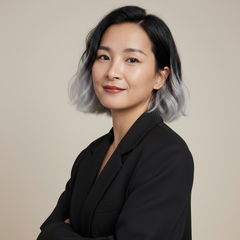
Hoa is the founder and owner of Tara Bridal, bringing over seven years of experience in designing bespoke wedding veils for more than 3,000 brides worldwide. Passionate about helping brides shine with a unique style, she brings fresh ideas into each accessory, breaking traditional molds. Hoa understands the fatigue and time-consuming search that brides face when looking for wedding veils online, which is why she strives to create a seamless and enjoyable shopping experience. She creates stunning veils that beautifully reflect each bride's individuality by blending global fashion trends with exquisite hand embroidery from skilled Vietnamese artisans.


